


Reimagining Sacred Space:
Three Key Innovations in
Church Design
Across the globe, places of worship are being rethought in exciting and unexpected ways. Far from static monuments to tradition, modern church buildings are evolving to meet the spiritual, social, and practical needs of their communities in the 21st century. In this blog post, we will discuss three key innovations that are shaping our church designs today.
1. Community-Centered & Financially Sustainable Design
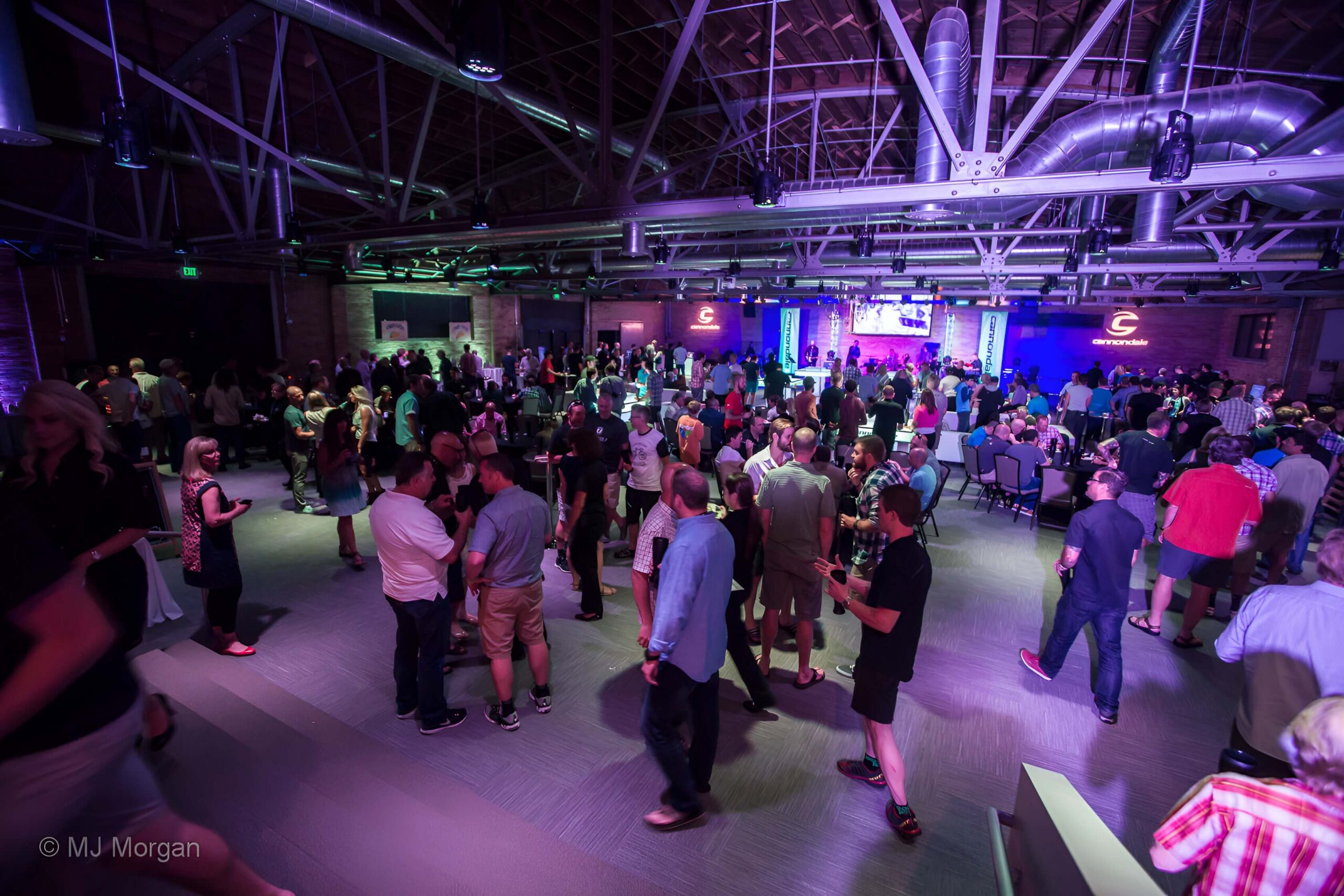
For much of history, church buildings were designed primarily for worship services. While that sacred purpose remains central, today’s churches are increasingly recognizing that their facilities can—and should—serve a broader role in the life of their communities. Thoughtful church design now looks beyond the sanctuary to ask a deeper question: How can our building invite, serve, and strengthen the community around us?
Community-integrated church design embodies the values at the heart of the Christian faith: hospitality, service, presence, and relationship. When churches design facilities that engage their neighborhoods, they move beyond being places people visit once a week and become places people rely on, trust, and cherish. It’s not about diluting spiritual purpose; it’s about extending it.
When architecture aligns with mission, church facilities become powerful tools for connection, hospitality, and outreach. In a changing world, church buildings that are woven into the fabric of their communities don’t just house ministry—they become ministry.
From the earliest stages of design, church architects should prioritize helping ministry leaders consider how their new facility can be a more effective ministry tool that meets the needs of the community, not just on Sundays, but 7 days a week. This includes the idea of incorporating financially sustainable business models that can create people flow through the building and even generate additional income for the ministry.
Financial sustainability has become a critical driver of modern church facility design. Churches today are increasingly aware that how a building is designed can significantly affect long-term operating costs, staffing needs, and overall ministry viability. Churches are designing spaces that can generate revenue or shared use without compromising their mission. This shared-use model strengthens community partnerships while creating supplemental income streams that support facility upkeep.
While there are a number of possibilities for churches to generate people flow in their facilities throughout the week and even create additional revenue streams for the ministry, early childhood education and pre-k centers have proven to be the most natural fit. LEARN MORE
2. Built to Change: The Importance of Flexibility & Adaptability
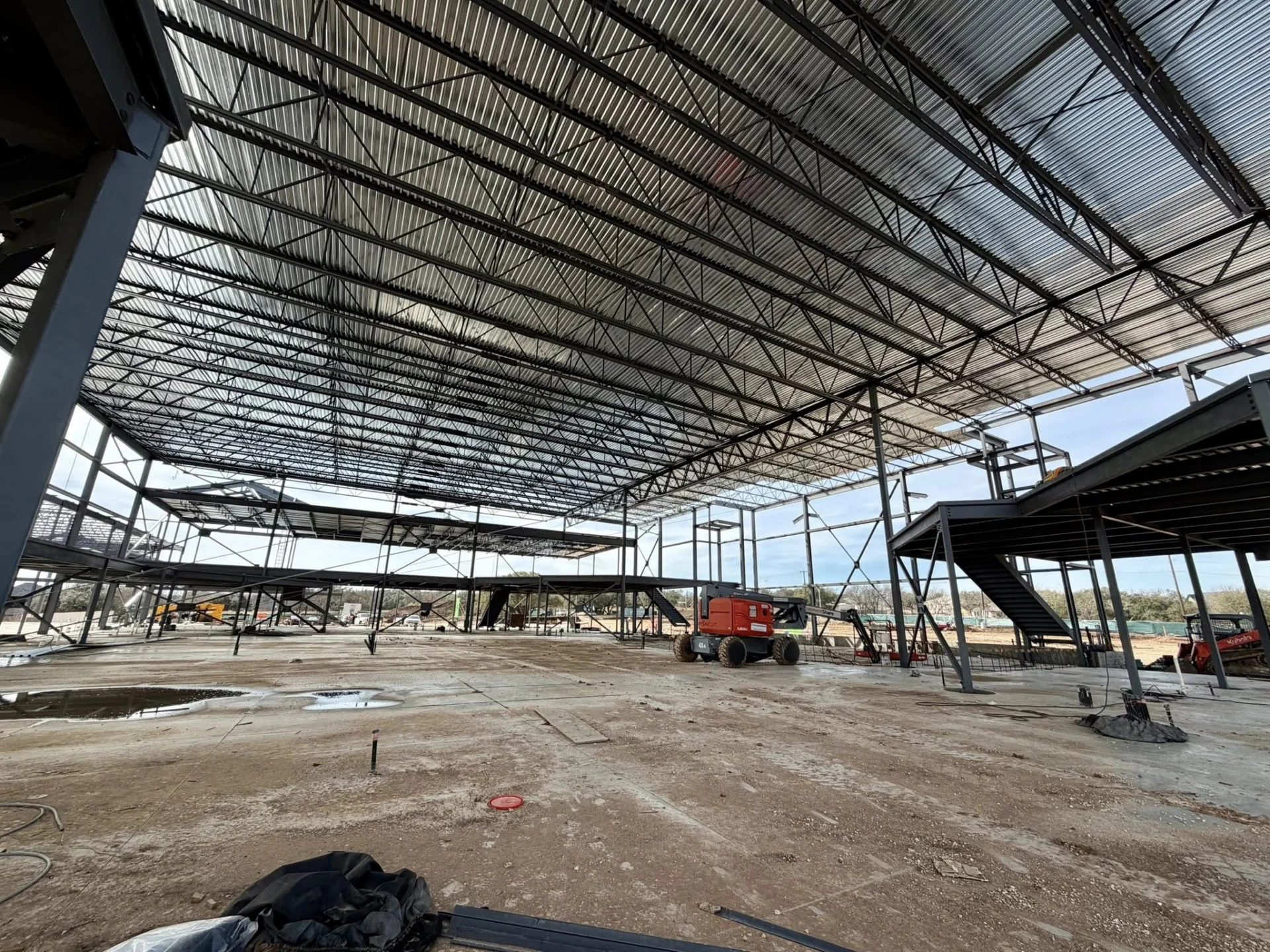
Churches are built to serve people, and people—and the ways they gather—change over time. While the mission of the church remains constant, the methods of ministry, worship styles, and community needs evolve. For that reason, flexibility and adaptability are no longer optional features in church design; they are essential to long-term faithfulness and stewardship. A church facility that can change with its congregation remains an asset. One that cannot often becomes a constraint.
Innovative designs focus on right-sizing facilities rather than overbuilding — creating spaces that are flexible, efficient, and fully utilized throughout the week. Smaller footprints paired with multipurpose rooms reduce construction costs while maximizing usability. This approach allows churches to invest more resources into mission, outreach, and programming rather than maintenance.
The demographics of your community and the needs and preferences of your attendees will change from generation to generation. As such, church facilities should be designed to support the changing needs of your membership and your community both now and into the future. For example, eliminating or minimizing the number of load bearing walls that could limit future flexibility of the space, flexible seating configurations, portable partitions and modular furniture that enable quick reconfiguration of a space to accommodate different events and group sizes.
By designing spaces that can accommodate diverse worship styles, cultural expressions, and community activities, churches can ensure that they remain relevant in the future. Flexibility also allows for the seamless transition between traditional and contemporary services, ensuring that no segment of the congregation feels excluded.
3. Aligning your Facility Design with your Brand Identity
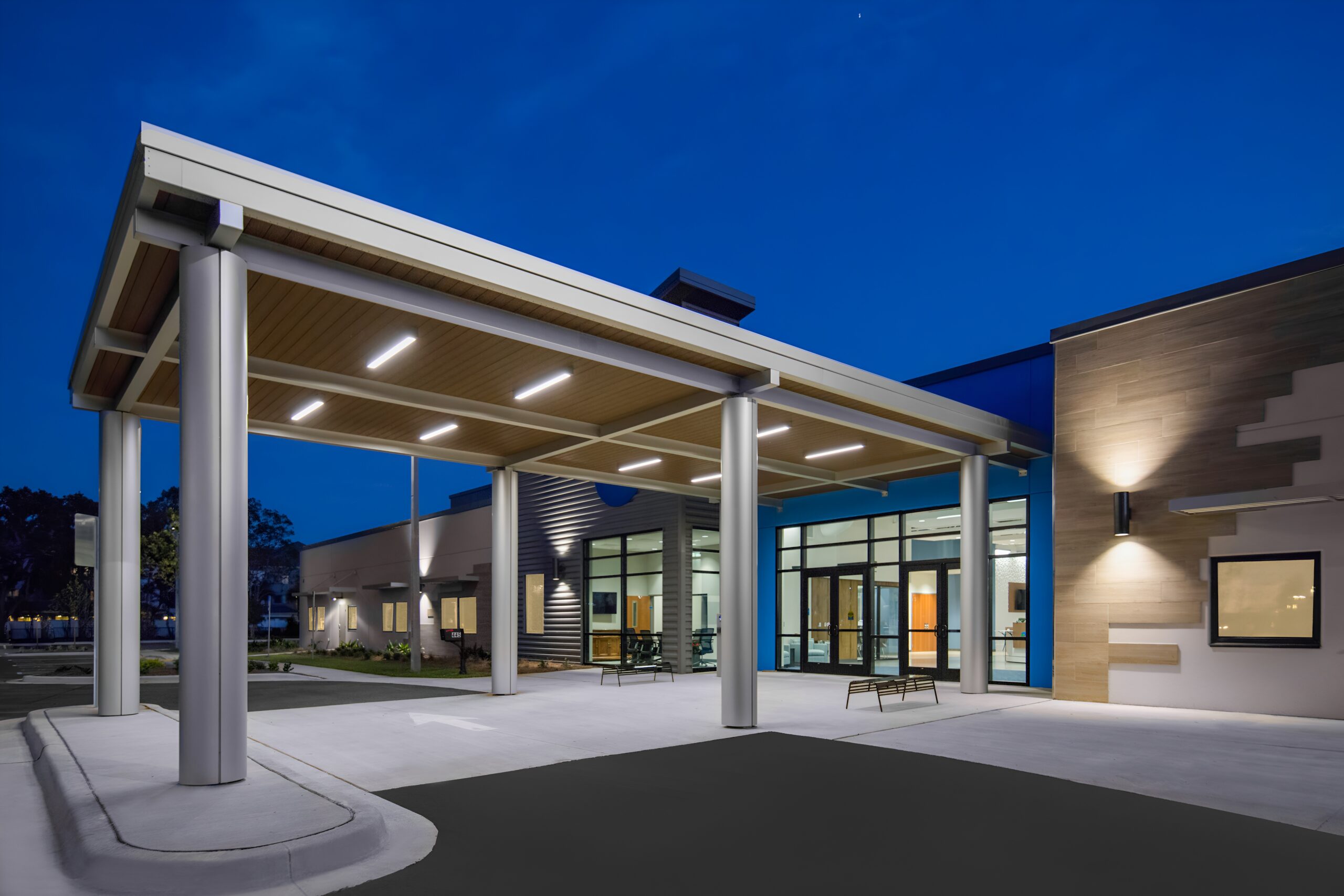
Every Building Speaks…What is Yours Saying? When most people hear the term “brand identity”, they think of corporate logos, color palettes, and taglines. But in the context of a church, your brand identity is far more meaningful—it’s the visual and experiential expression of your mission, your culture, and your calling. And nowhere is this identity more visibly lived out than in your physical space.
As your church grows and prepares for for future renovation, expansion or new construction, it’s essential to think beyond square footage and seating capacity. Your building isn’t just a place to gather; it’s a physical extension of your ministry. It can help tell your story, shape first impressions, and reinforce what you stand for. Visitors often decide within minutes whether a place “feels right.”
A branding and awareness campaign can help your church plan and design spaces that reflect your values, mission and community and make a powerful first impression. Whether it’s a welcoming entryway, an intentional use of natural light, or artwork that speaks to your church’s story, your facility sets the tone before a sermon is ever preached or a classroom lesson is ever taught. READ MORE
Innovation in church design is not about chasing trends or novelty—it is about faithfulness. As communities change, technologies evolve, and ministry opportunities emerge, churches that embrace thoughtful innovation position themselves to respond with clarity and purpose. Flexible, adaptable spaces allow congregations to experiment, learn, and grow without being limited by their buildings. When innovation is guided by mission and stewardship, church design becomes a living expression of the church itself—rooted in tradition, responsive to the present, and prepared for the future.